All machines Machines Metal 3D Printing
Additive Manufacturing
Metal 3D Printing
 8:04
8:04 What laser powder bed fusion is. Filmed and published by AM Media | The Cool Parts Show. Plays from YouTube, nothing here is re-hosted.
What it does
Metal additive manufacturing builds a part up out of metal instead of cutting it out of a block. Several different processes share that description and they are not interchangeable. Laser powder bed fusion melts thin layers of powder with a laser. Binder jetting glues powder together and then sinters it in a furnace. Directed energy deposition, including wire arc, lays metal down through a nozzle or a welding torch and is closer to automated welding than to printing.
How it works
In powder bed fusion a recoater spreads a layer of powder a few tens of microns thick across a build plate inside an inert gas chamber. One or more lasers melt the cross section of the part into the layer below. The plate drops, the recoater spreads again, and the cycle repeats for the height of the part. Everything is then cut off the plate, heat treated to relieve stress and usually machined on the surfaces that matter. Binder jetting prints a binder instead of melting, so the machine runs faster and cooler, but the green part has to be debound and sintered, and it shrinks while that happens, which the model has to allow for. Wire arc builds much larger and much rougher shapes quickly and is then machined back.
The numbers
Layer thickness in powder bed fusion is typically in the 20 to 100 micron range, and build envelopes on production machines commonly run from roughly 250 mm cubed up to about a meter on the largest multi-laser systems. As-built surfaces are rough enough that any sealing or bearing face gets machined afterwards. The cost that surprises people is not the machine time: it is powder handling, inert gas, support removal, heat treatment and the machining that follows. Compare quoted build rates carefully, because makers measure them differently.
Who uses one
Aerospace, medical implants and instruments, motorsport, oil and gas, tooling shops printing conformal cooling channels into mold inserts, and any plant that needs a discontinued part that nobody will tool for again.
More additive manufacturing
See the whole category-
 19:57 Additive Manufacturing
3D printed rocket engines
Veritasium goes inside a factory printing entire rocket structures instead of welding them from thousands of parts, and asks whether it actually makes engineering sense. The printers are among the largest metal 3D printers ever built. It is as much a manufacturing strategy argument as a technology film.
-
 29:28 Additive Manufacturing
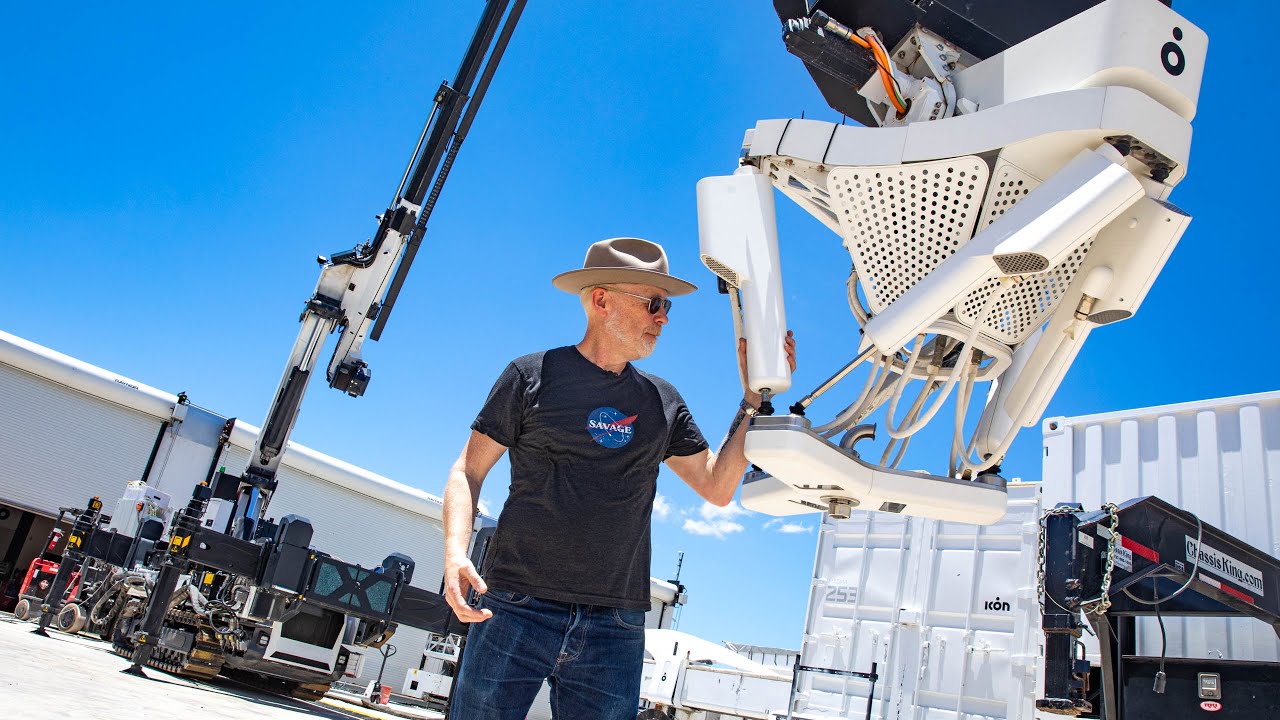
The biggest 3D printer this workshop has ever seen
Adam Savage stands next to a 3D printer big enough to print a boat and reacts more or less the way anyone would. The build volume changes what the technology is for entirely. Half an hour of a genuinely curious person asking good questions about a very large machine.
-
 14:59 Additive Manufacturing
The material science of metal 3D printing
Real Engineering explains what actually happens metallurgically when a laser melts powder into solid metal, and why the resulting microstructure is not the same as a casting or a forging. Layers are typically 20 to 60 microns thick and the laser scans at meters per second. The best technical explanation of metal additive manufacturing on YouTube.
-
 9:10 Additive Manufacturing
Inside the world's largest 3D printed neighborhood
A gantry robot extrudes concrete wall by wall across an entire neighbourhood, with houses rising out of the ground in layers. CNBC covers the economics as well as the machine. Whether or not it scales, it is one of the most futuristic construction sites currently in operation.
-
 5:33 Additive Manufacturing
What binder jet 3D printing is
Binder jetting glues metal powder into shape and then sinters it in a furnace, so the printer itself is fast and the part shrinks into its final size afterwards. It is a completely different economic model to laser melting. Short and genuinely informative.
-
 2:48 Additive Manufacturing
Wire arc additive manufacturing, explained
A welding torch on a five-axis machine builds a solid metal part out of wire, layer by layer, at deposition rates that powder bed machines cannot approach. The part is then machined to final size. It is the most practical version of large metal additive manufacturing that exists today.
-
 2:18 Additive Manufacturing
The world's largest 3D printed boat
A 25 foot boat printed in one piece from a single machine, which at the time was both the largest polymer 3D printer and the largest 3D printed boat in the world. Printing at this scale is a materials and thermal problem more than a motion problem. Two minutes and a very satisfying reveal.
-
 1:36 Additive Manufacturing
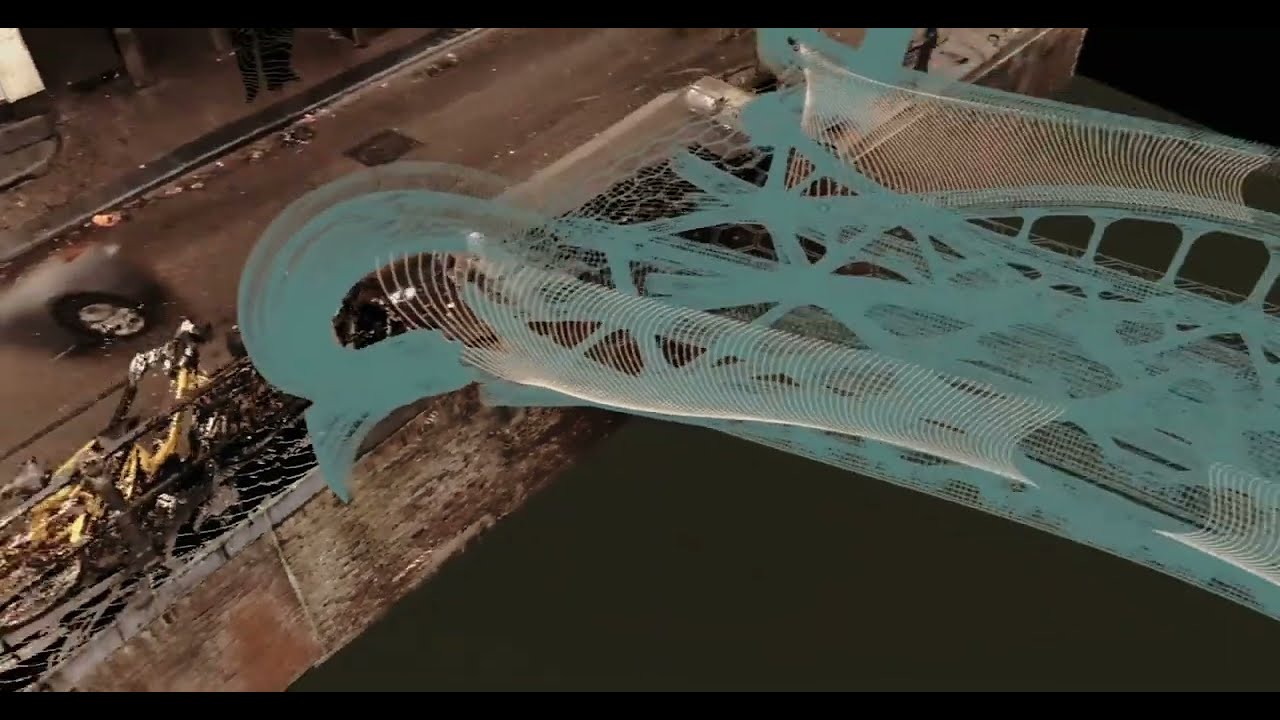
A 3D printed steel bridge, one year on
A stainless steel pedestrian bridge printed in mid-air by robot arms laying weld bead on weld bead, then installed over a canal. Wire arc additive manufacturing turns a welding robot into a printer. Ninety seconds covering years of work.
Looking for one of these?
APE buys and sells the machines that finish an additive part as well as the ones that start it: CNC machining centers, EDM, grinders, furnaces, saws and inspection equipment. Tell us what you need.
American Plant & Equipment has been buying and selling industrial machinery out of Roebuck, South Carolina since 1975, with 97,000 machines in inventory. Tell us the process you need to run and we will go and find the machine, or we will move the one you are finished with.
Prefer to talk? Call (864) 574-0404 or email sales@americanplantandequipment.com.