All machines Machines High-Speed Injection Molding
Plastics and Recycling
High-Speed Injection Molding
 1:21
1:21 96 bottle caps molded in under two seconds. Filmed and published by Sumitomo (SHI) Demag - Injection Molding. Plays from YouTube, nothing here is re-hosted.
What it does
Injection molding turns plastic pellets into finished parts by melting the material and forcing it into a steel mold under pressure. In the high-speed packaging class the whole cycle, including opening the tool, ejecting the parts and closing again, happens faster than most people can say the sentence.
How it works
Pellets are fed into a heated barrel where a rotating screw melts and homogenises them and accumulates a measured shot at the front. The screw then drives forward as a piston and injects that shot through a hot runner manifold into every cavity at once. The mold is held shut by a clamping unit against enormous internal pressure. Cooling channels running through the steel pull the heat out; cooling is almost always the longest part of the cycle, so mold design and water circuit design decide the achievable rate more than the machine does. The tool opens, ejectors or air push the parts clear, a side-entry robot sweeps them out and, in an in-mold labelling application, places the next set of labels into the cavities on the same stroke.
The numbers
A 96-cavity closure mold running on a high-speed all-electric or hybrid machine produces 96 finished caps in under 1.9 seconds, which is roughly 180,000 caps an hour from a single machine. Mold filling times on these presses are under 100 milliseconds. In-mold labelled packaging containers run in under 1.8 seconds a cycle including the label placement and part removal.
Who uses one
Closure and cap producers, thin wall packaging converters, dairy and food container plants, medical disposables manufacturers and automotive component moulders.
More plastics and recycling
See the whole category-
 9:43 Plastics and Recycling
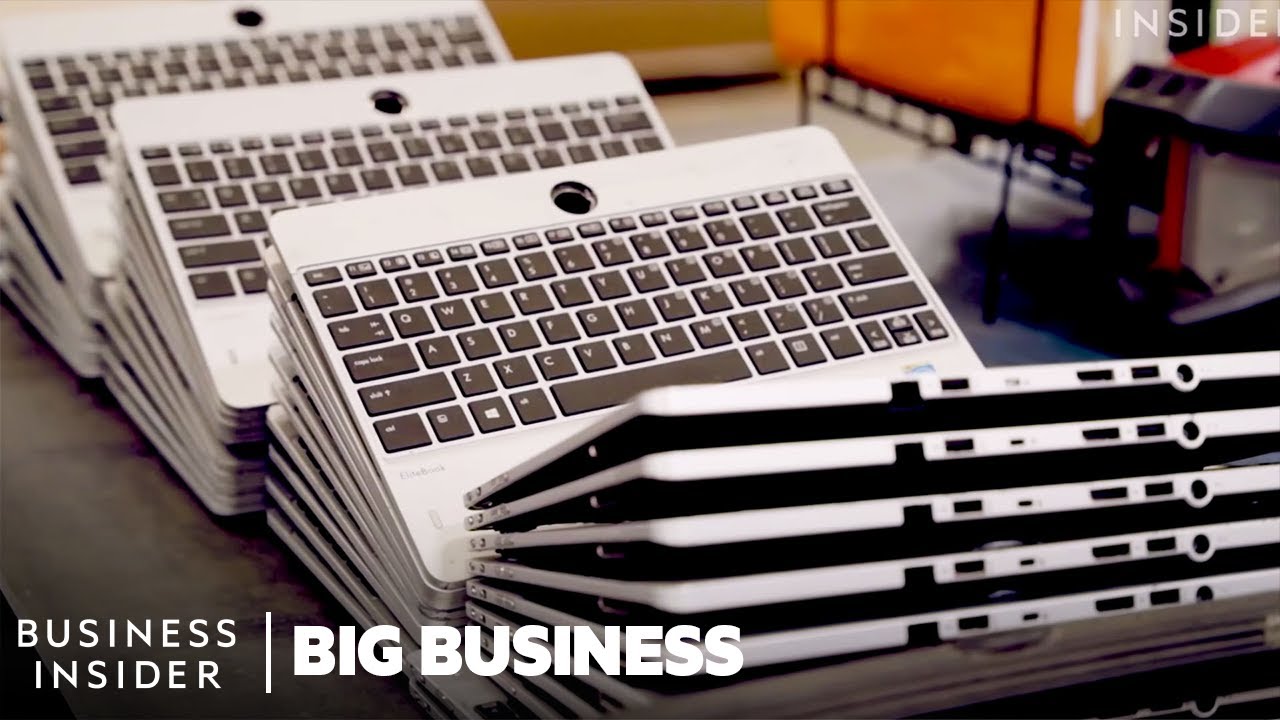
How six million pounds of electronic waste get recycled a month
Six million pounds of electronics a month go in as phones, servers and screens and come out as sorted streams of copper, aluminum, steel and precious metal concentrate. Shredders, magnets, eddy current separators and optical sorters do the whole job. Business Insider films the plant properly rather than in a highlight reel.
-
 5:01 Plastics and Recycling
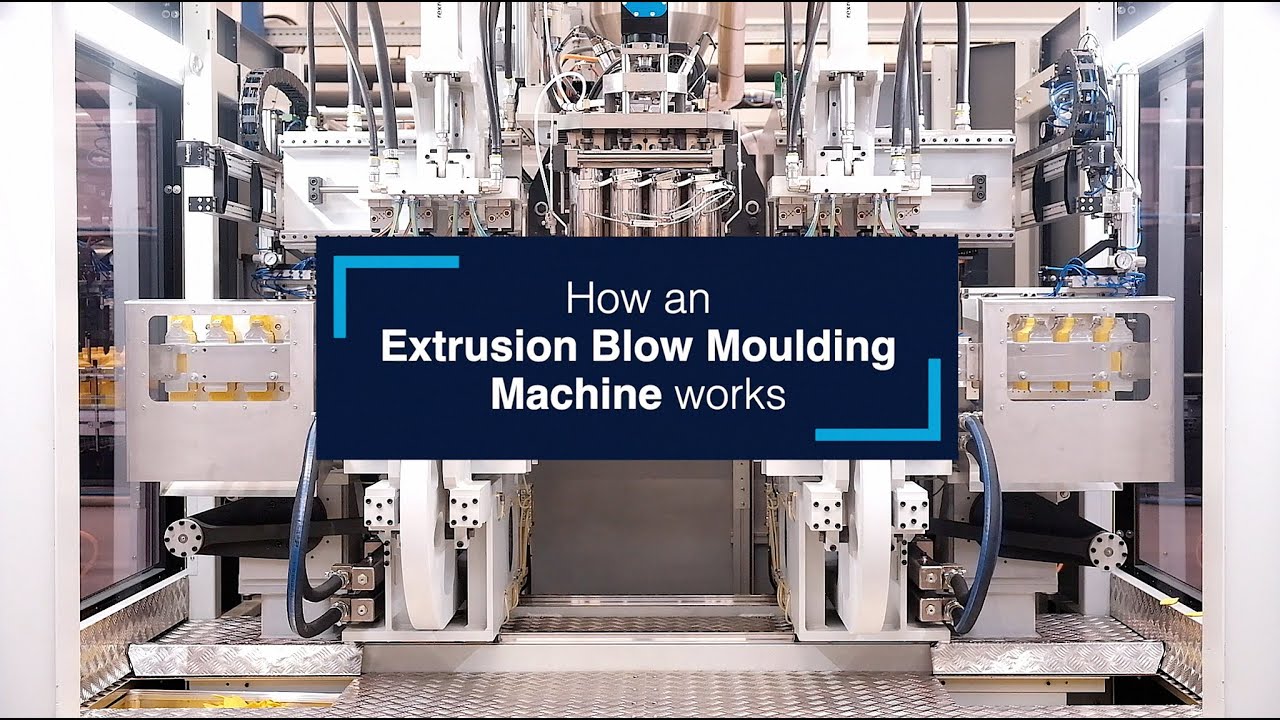
Extrusion blow molding, explained by the machine builder
Extrusion blow molding drops a hot tube of plastic, closes a mold around it and inflates it into a bottle, all in a few seconds. Bekum explains the parison control that decides where the wall is thick and where it is thin. Every jug of milk and every jerry can you own started this way.
-
 2:13 Plastics and Recycling
A single shaft shredder eating whole tires
A single-shaft shredder working through a pile of scrap tires, hydraulic ram forcing material into the rotor while the cutting table sizes the output. Everything about the machine is designed around the fact that steel-belted rubber destroys most equipment. It just keeps going.
-
 1:57 Plastics and Recycling
Turning scrap tires into fuel for a cement kiln
A shredder eating whole truck tires, steel belts included, and spitting out chip that goes straight into a cement kiln as fuel. The rotor does not slow down for the steel. Tire shredding is one of the most brutally impressive things a machine can do on camera.
-
 1:39 Plastics and Recycling
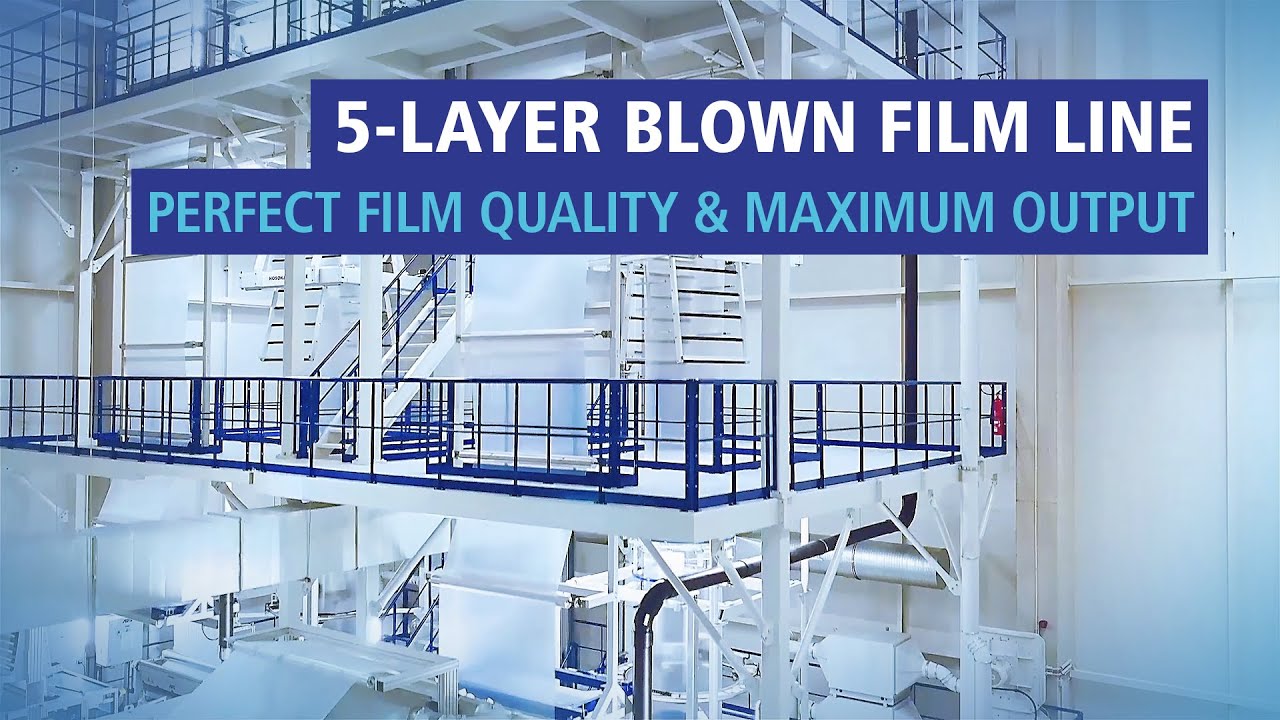
A five layer blown film line
Molten polymer is extruded as a tube, inflated into a bubble several storeys tall, cooled by air and collapsed into film. This line does it in five layers at once, each layer doing a different job. The bubble is the most beautiful thing in the plastics industry and it is genuinely load bearing.
-
 1:29 Plastics and Recycling
How an optical sorter splits a recycling stream
An animation showing how near infrared sensors identify plastic types by their molecular signature as they fly past on a belt, then air jets fire to knock the right pieces off the stream. Modern sorters do this on thousands of items a minute. Recycling only works at all because of machines like this.
-
 1:22 Plastics and Recycling
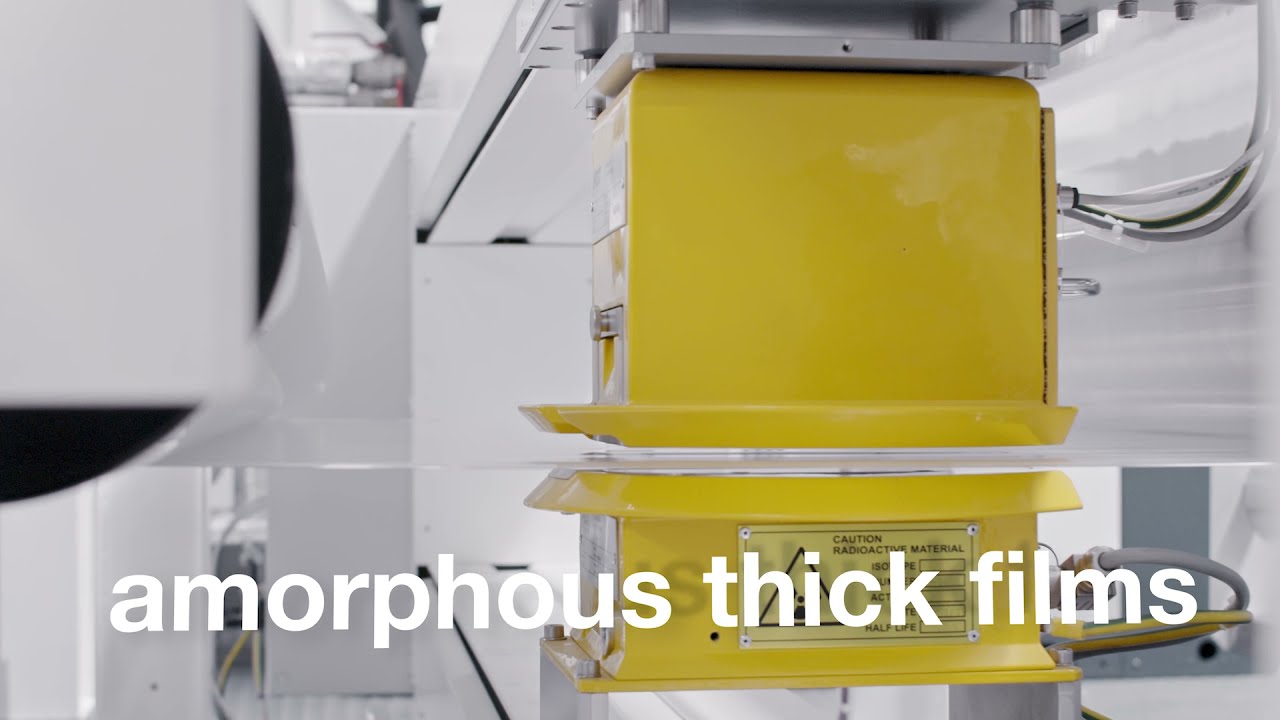
A water quenched blown film line
Water quenching instead of air cooling produces film with completely different optical and mechanical properties, and the bubble runs downward into a water ring rather than up a tower. It is an unusual process and rarely filmed. Eighty seconds that will be new to almost everyone who works in plastics.
-
 1:17 Plastics and Recycling
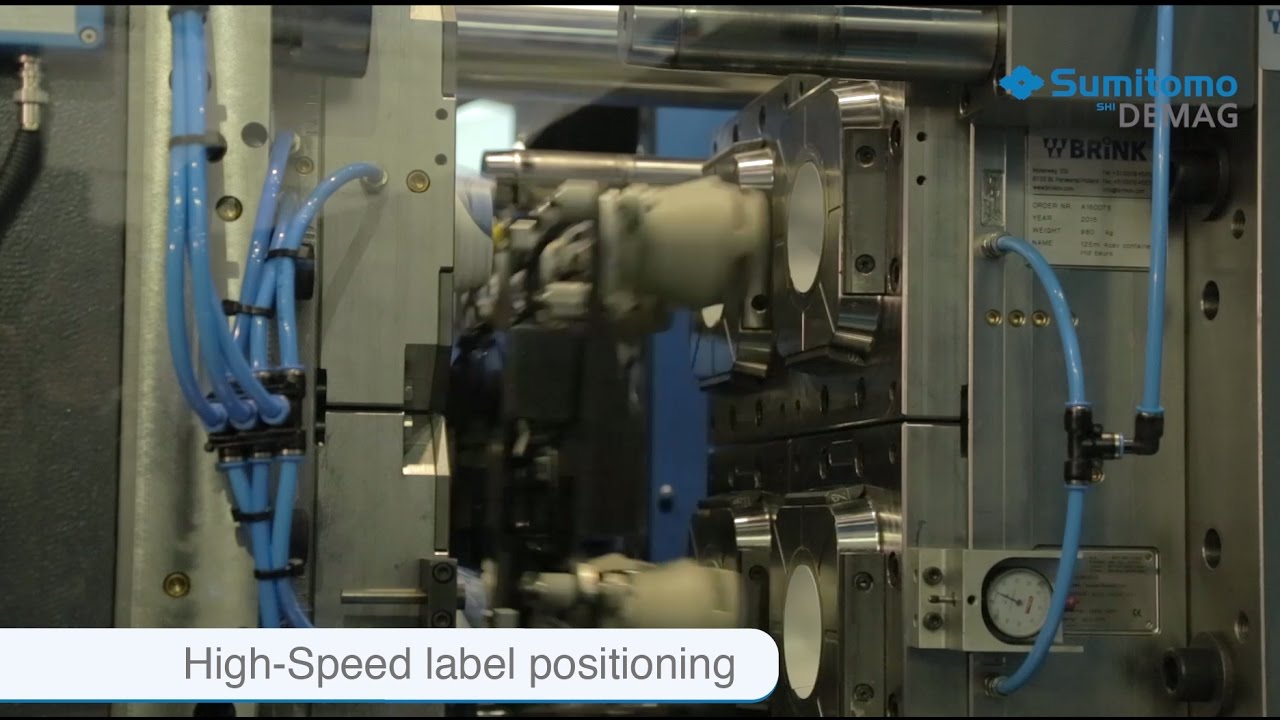
In-mold labeling in under two seconds
In-mold labelling puts the label into the tool before the plastic arrives, so the container comes out already decorated with no second operation. Here it happens in under 1.8 seconds a cycle. A robot places the labels and takes the parts out in the same motion, which is the part that seems impossible.
Looking for one of these?
Injection molding machines, blow molding, extrusion and auxiliaries: APE buys and sells plastics processing equipment worldwide.
American Plant & Equipment has been buying and selling industrial machinery out of Roebuck, South Carolina since 1975, with 97,000 machines in inventory. Tell us the process you need to run and we will go and find the machine, or we will move the one you are finished with.
Prefer to talk? Call (864) 574-0404 or email sales@americanplantandequipment.com.